Need walk-in tubs in Mount Airy?
- Plain-language guidance on every bathing option
- Independent local providers in our network
- Written quotes before any work begins
- No obligation to move forward
No obligation
Request an estimate from a local provider
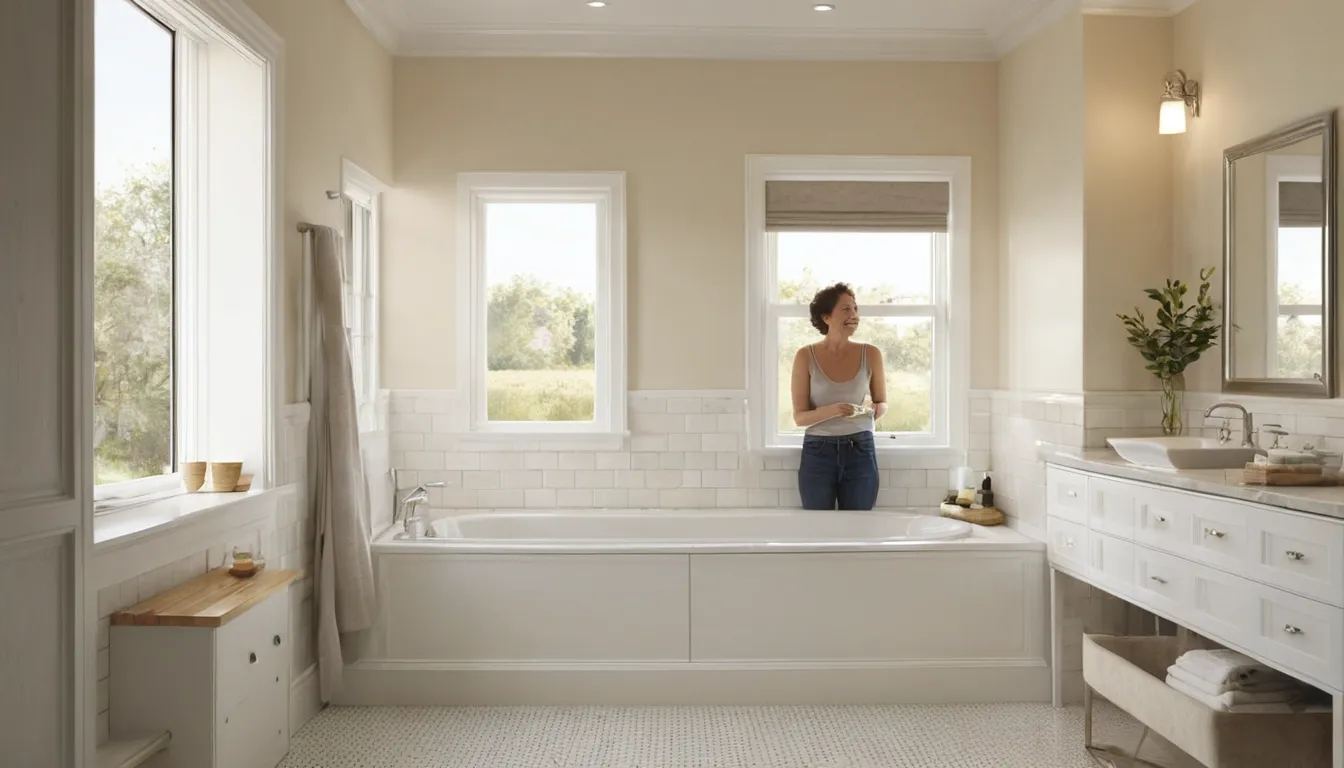
A standard tub asks you to lift a leg over a high wall, much like stepping over a fence while your feet are wet. A walk-in tub swaps that wall for a sealed door, a built-in seat, and grab bars. The goal is simple: make bathing feel steady again.
Laborrise Walk-In Tubs is a referral service. We do not install tubs. We explain the options in plain words, then connect you with an independent provider in our network who serves the Mount Airy area. The provider visits, measures, and writes up a quote. You can compare, ask questions, and decide at your own pace. Options before work.
Wet tile and a tall tub wall are a hard mix. If you have started to dread bath time, or you hold the towel bar a little too tightly, that is useful information. It means the setup no longer fits you.
A walk-in tub is one way to fix that. Think of it like a car with a lower step: same trip, less strain getting in.
If a fall has already happened, or a doctor has raised concerns, treat this as a priority. Request a callback to check provider availability in your area.
It is a deep tub with a watertight door on the side. You open the door, step over a low threshold, sit on a built-in seat, and close the door. Then the tub fills. When you finish, it drains, and you open the door again.
That last part surprises many first-timers. You sit in the water while it fills and while it drains. Most people get used to it quickly, and a few features make the wait easier.
Senior walk-in tubs are the most common choice, but they are not only for seniors. A tub like this often helps people who:
It may not be the right fit for someone who cannot transfer to a seat on their own. Fit comes first, so a provider can talk through your needs honestly.
Think of the feature list like options on a chair: some matter a lot, some are only nice. Here is what you will likely see.
A soaker is the simplest. It holds warm water and nothing else. It has fewer parts, so there is less to maintain.
A jetted model adds water or air jets. Picture a gentle massage for stiff joints. These cost more and need regular cleaning of the jet lines.
A combination model offers both. You can use plain soaking some days and jets on others.
Ask yourself how you will really use it. If a short, warm soak is enough, a soaker may be plenty.
A tub replacement is usually a multi-step job. A provider removes the old tub, checks the floor and walls, adjusts the plumbing, sets the new tub, and seals it. Many jobs take a few days, though it depends on the bathroom.
Older homes can add a twist. Aging cast-iron or galvanized pipes may need repair or updating first. In a colonial, split-level, or older rowhouse, floors and drain lines may sit in tight spots, so the provider will look closely during the visit.
If your bathroom is in a basement or on a slab, ask how the drain will be handled.
This is the step people forget. A walk-in tub is deep, and it fills slowly while you sit in it. If the water cools halfway through, the soak gets uncomfortable fast.
Think of the water heater like a gas tank for hot water. A small tank can run low before the tub is full. Ask the provider to check your tank size and recovery speed. Some homes need a larger tank or an upgrade.
Cold winters make this matter more, since incoming water is colder and takes longer to heat.
A good visit is a two-way talk. Bring a short list, and write down the answers so you can compare quotes later.
Some policies may cover certain costs. Check your policy before you assume anything.
If the tub is for a parent or partner, bring them into the choices. A tub that looks great on paper may feel wrong when they sit in it. Ask them to try the seat height and reach for the grab bars. Many showrooms let you sit in a sample.
People accept a change more easily when they helped choose it.
Daily use is simple. Sit, close the door, fill, soak, drain, and exit. Keep a warm robe and towel within reach, since you may feel a chill while the tub drains.
Cleaning is much like cleaning any tub. Wipe the surfaces, rinse the door seal, and run the jet cleaning cycle if you have jets. In humid summers, dry the seal edges to slow down mildew.
You do not need to settle every detail today. Ask, then decide. A first visit is a chance to learn what your bathroom allows and what a quote looks like.
Request a callback to talk through the request, or use the form to ask for an estimate. There is no obligation to move forward.
A sealed side door lets you step in over a low threshold instead of lifting a leg over a high wall.
A seat at a comfortable height keeps you steady while bathing.
Bars placed where your hands naturally reach give extra support when sitting and standing.
Textured floors and seat surfaces help your feet and body stay firmly in place while wet.
Prices vary a lot by tub type, bathroom layout, and plumbing condition. These are typical U.S. ranges only. Always get a written quote from the provider so you can see exactly what is included.
| Item | Typical range | Notes |
|---|---|---|
| Basic soaker walk-in tub | $3,000 – $7,000 | Unit only; fewer parts to maintain |
| Jetted or combination tub | $5,000 – $12,000 | Jets raise price and upkeep |
| Installation labor | $1,500 – $5,000 | Depends on access and layout |
| Plumbing updates | $500 – $3,000 | Common in older homes with aging pipes |
| Electrical work | $300 – $1,500 | Needed for heated seats or jets |
| Water heater upgrade | $900 – $3,500 | May be needed for deep tubs |
Tell us who will use the tub, what feels hard now, and what your bathroom is like.
Laborrise Walk-In Tubs refers your request to an independent provider in our network near you.
The provider measures, checks plumbing, and gives you a written quote to review.
Compare, ask questions, and choose. If you proceed, the provider sets the date.
We explain tub types, features, and steps in simple words so you can ask better questions before anyone starts work.
You are matched with an independent provider serving your part of the region.
You choose the pace. Requesting an estimate does not commit you to anything.
We encourage choices based on your body, your bathroom, and how you will actually use the tub.
Many installs take one to three days, but it depends on the bathroom. Plumbing repairs, wall work, or a new water heater can add time. The provider can give a clearer timeline after the visit.
Original Medicare generally does not cover walk-in tubs as standard equipment. Some policies or programs may help in certain cases, so check your plan and ask the provider about documentation.
Often yes, since you sit on a built-in seat. You still need to step in and transfer safely, so try a sample and talk with your doctor or the provider.
Have a question about a walk-in tub, a shower conversion, or a safer bathroom? Send a request and a provider in our network will follow up with plain answers.
No obligation